
Facing the prospect of foreclosure in Wisconsin can be daunting, but understanding your options is crucial to navigating this challenging situation. Whether you’re grappling with financial setbacks, considering bankruptcy, or seeking other foreclosure prevention strategies, this guide provides actionable insights tailored for Wisconsin homeowners. We explore legal filing requirements, alternative solutions, and steps to protect your home. Equip yourself with the knowledge to make informed decisions and secure your financial future, while also gaining peace of mind to move beyond the immediate crisis. Your home is an asset worth preserving through informed choices and proactive planning.
Key Highlights
- Understanding Wisconsin’s foreclosure process can aid homeowners facing financial distress.
- Housing counselors provide personalized strategies to prevent foreclosure and aid legal defense.
- Effective communication with lenders can open the door to negotiating solutions such as loan modifications.
- Consulting HUD-approved housing counselors offers critical support and access to prevention programs.
- Bankruptcy should be a last resort, with thorough consideration of its long-term effects.
Understanding the Foreclosure Process in Wisconsin
Facing foreclosure is not easy, and in Wisconsin, the process can feel overwhelming, especially for distressed homeowners. Learning what foreclosure entails, the steps in the process, and the potential challenges can ease some of the difficulty. The process differs by county and involves various forms and other legal instructions. Knowing about the foreclosure prevention programs offered in Wisconsin and working with a housing counselor can be very beneficial. Additionally, having a Wisconsin lawyer can be beneficial for defending your home legally. This section discusses the steps involved in filing for foreclosure and the importance of having a housing counselor on your team for foreclosure defense.
Key Steps in the Filing Process

In Wisconsin, a foreclosure begins when a lender sues the homeowner; this type of foreclosure is called judicial foreclosure. The lender files a suit in circuit court, and the homeowner gets served with court documents, thus starting the official foreclosure clock.
Homeowners usually get 20 days to respond to this. If homeowners do not respond within 20 days, a default judgment is entered, meaning the homeowner loses the house. That is why it is important to get legal help right away.
An attorney specializing in foreclosure can review the attorney’s claims and identify any mistakes in how the foreclosure was handled. For example, several counties in Wisconsin do this type of mediation, and it can be a place to work directly with the lender to create a repayment plan or modify the loan.
This also applies to any critical deadlines arising from the foreclosure. If you miss a deadline or make a mistake, it can lead to serious complications in your case. Because of this, it is recommended that you get outside help to fill out these forms.
Serious foreclosure work and keeping in touch with your lender. If your lender sees that you are motivated to resolve the issue, they are more likely to offer a different temporary solution or an extension.
Most important is your rights in the state, and that way you are going to make the best possible for the foreclosure. You should know that just because the lender filed a foreclosure, it does not mean you are being evicted. It’s just the first step.
The Role of a Housing Counselor in Foreclosure Defense
When a HUD-approved housing counselor is involved early in the foreclosure process, it can greatly influence the outcome. These experts offer options for defending the case, completing the legal process, the types of financial hardships that can be defended, the overall strategy, and how to avoid losing (obviously, case-specific).
Counselors can help mediate between the lender and the homeowner. They can help bridge the gap between the lender and homeowner by performing steps to obtain a loan modification, a repayment plan, or a temporary forbearance. They can help stop the foreclosure process altogether.
Counselors can also help with state and federally funded foreclosure programs that the homeowner may be unaware of.
They explain the steps, forms, deadlines, and other things required for foreclosure filings in Wisconsin. Unlike attorneys, they can help homeowners avoid foreclosure, but only if they can discuss settlement options.
Counselors can help homeowners explore every option, including selling, reinstating the loan, entering a repayment plan, or filing for bankruptcy, to stop foreclosure.
How to Avoid Foreclosure with HUD-Approved Housing Solutions
Navigating the possibility of foreclosure requires informed action and strategic planning. Engaging with HUD-approved housing solutions offers a valuable lifeline for homeowners seeking to protect their homes in Wisconsin. These services provide access to housing counselors well-versed in foreclosure prevention strategies, legal guidance, and financial planning. Understanding HUD’s role and how approved housing solutions can impact your scenario is critical to devising an effective approach to stop foreclosure. Learn more about the benefits of consulting a HUD-approved housing counselor and how they can play a pivotal role in preserving home ownership.
Benefits of Consulting a HUD-Approved Housing Counselor

Wisconsin homeowners facing foreclosure can get valuable information and assistance from a HUD-approved housing counselor. These housing counselors evaluate a client’s financial situation, create personalized budget plans, and provide assistance with Wisconsin foreclosure law, all at no charge.
Counselors create a custom action plan and assist clients in identifying government assistance programs for which they may qualify. This includes modifications to Federal Housing Administration (FHA) loans and state foreclosure prevention programs that homeowners may not know about.
In addition to assisting with plan development, housing counselors communicate directly with lenders on behalf of their clients. They can negotiate repayment terms as well as modification and forbearance plans. Housing counselors will explain every detail of the plan to clients so there are no surprises.
Filing the right documents at the correct times often creates a barrier for homeowners already stressed by the foreclosure process. Counselors will help guide clients so that no critical documents are missed.
Counselors give clients the tools to avoid subsequent financial difficulties by teaching them about the foreclosure process and the options available to them to avoid losing their homes.
Strategies for Loss Mitigation and Reinstating Your Home Loan
Facing the possibility of foreclosure can be a highly stressful experience, but with the right strategies, homeowners can work towards loss mitigation and reinstating their home loan. Key strategies include open communication with your lender and understanding available options, such as refinancing and modification plans. By building a proactive approach to financial difficulties and focusing on feasible solutions, you can halt foreclosure proceedings and safeguard your property. The following sections offer insights on effectively managing your relationship with your lender and on financial avenues for reinstating your home loan, ensuring long-term housing stability.
Effective Communication with Your Lender
If you’re facing financial difficulty, don’t wait to contact your lender. Working out a solution is made possible when your lender sees you’re trying to be proactive, and options such as loan modifications, refinancing, or structured repayment plans become available. The longer you wait, the fewer options you have.
If you’ve done your research, you can prove to your lender that the financial hardship is temporary, as evidenced by your pay stubs, taxes, or medical documents. The reality is that the lender will work with you if you’ve come to the meeting prepared.
Lenders may provide additional relief options, such as forbearance, temporarily halting all loan payments, or a loan modification that eases repayment. Understanding your options for relief and preparing to work on the repayment plans places you in a better negotiating position with your lender.
Additionally, you may want to work with a HUD-approved housing counselor. This person will become your advocate across Wisconsin foreclosure mediations and understand your communication before and during the mediation.
Finally, keep a detailed record of all conversations with your lender. Noting the date you spoke, the contact person, the content discussed, and what was proposed will prove invaluable if there’s a dispute.
In short, regularly communicating and keeping everything documented are among the best ways to keep your house and avoid foreclosure in Wisconsin.
Exploring Bankruptcy as a Last Resort Option
When facing foreclosure in Wisconsin, considering bankruptcy as a last resort might be crucial. This option provides a legal way to alleviate overwhelming debt, potentially allowing homeowners to keep their homes. However, the bankruptcy process is complex and involves significant considerations, such as the impact on your credit report and the type of bankruptcy best suited for your situation. Before making this decision, understanding the implications and legal requirements is essential. This section will delve into the key considerations before filing for bankruptcy and how it may affect your financial future.
Considerations Before Filing for Bankruptcy
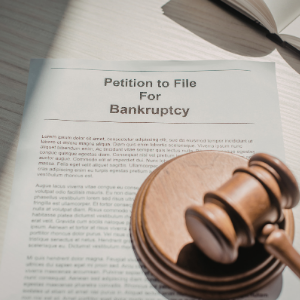
Wisconsin homeowners should consider many factors before deciding to file for bankruptcy. They need to know the different advantages and disadvantages of each chapter of bankruptcy. The two main ones are Chapter 7 and Chapter 13.
Chapter 7 bankruptcies are usually called liquidation bankruptcies. They require that any assets in their possession that aren’t exempt be sold to pay creditors. This means that even if you quickly wipe out your unsecured debt, the home you are mortgaging and are behind on payments for doesn’t become protected from foreclosure. Then, there are Chapter 13 bankruptcies, which enable people to keep their homes by proposing a structured repayment plan that lasts 3 to 5 years. They can also talk to housing counselors if they need help managing their budget. This option is only for people with steady incomes to pay off the mortgage that is in arrears.
A significant factor to consider is how your credit score will be affected. This is because a filing can drastically decrease your score, making it that much more difficult to get loans and secure lower interest rates in the future. For many people, it will affect them for several years because it can be on your credit report for up to a decade, and that is going to affect how many bankruptcies you can file. This is due to how bankruptcies are distributed across bankruptcy chapters. The different bankruptcies will affect you fundamentally in life because they will appear on your credit report.
For homeowners in Kenosha and surrounding Wisconsin communities who need a faster resolution, selling your home for cash may be a practical alternative worth exploring before committing to bankruptcy. SoPro Real Estate Solutions specializes in buying houses as-is for cash in Wisconsin, allowing homeowners to close quickly, settle outstanding mortgage debt, and avoid the long-term credit damage bankruptcy often leaves behind. This can be especially valuable when time is limited and protecting your credit profile is a priority for your financial recovery. Contact us at (262) 300-7945 today!
Before making any decisions, consulting a bankruptcy attorney is strongly advisable. A qualified lawyer can evaluate whether bankruptcy is truly your best option or whether other legal avenues — such as loan modification, lender negotiation, or a cash home sale — better serve your situation. It’s also important to understand that once bankruptcy is declared, reversing or withdrawing the process is not straightforward.
With careful planning and the right professional guidance, it’s possible to move beyond financial distress and work toward a more stable future. The key is weighing every available option thoroughly and acting before the situation becomes irreversible.
FAQs
What steps do lenders begin with the foreclosure process?
Judicial foreclosures begin with lenders suing homeowners, starting with the filing of the suit in the circuit court of the county where the property is located. Once filed, homeowners will be served a legal notice, and a countdown to foreclosure will begin.
In what way can housing counselors help clients stave off foreclosures?
Housing counselors, especially those approved by HUD, offer personalized strategies to stave off foreclosures. These counselors help clients understand and fill out legal forms, assist with budgeting, and negotiate with lenders.
Why is it important to stay in contact with lenders in foreclosure situations?
Most lenders will consider a homeowner’s situation, but only if a homeowner demonstrates a desire to resolve the financial issues. For example, a homeowner can apply for a loss mitigation option, such as a loan modification or a repayment plan.
What do legal advisors do in foreclosures in Wisconsin?
Legal advisors help defend against foreclosures by identifying available defenses, such as whether the foreclosure was procedurally correct or whether the lender committed errors that hindered the process.
When is it best to look at bankruptcy as an option to stop a foreclosure?
If you file for bankruptcy, it could negatively impact your credit report, which is why it should be the option you consider if the other strategies you evaluated did not work. Your situation and the type of bankruptcy you plan to file (Chapter 7 or Chapter 13) will also be a factor. Speaking with an attorney will help you determine whether bankruptcy is the most beneficial option.
Helpful Wisconsin Blog Posts