
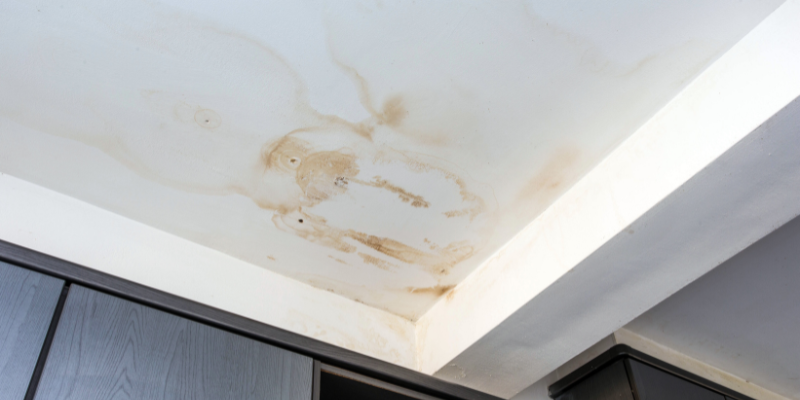
Your basement fills with two feet of water on a Tuesday night. By Thursday morning, you’re on hold with your insurance company, surrounded by wet drywall, and wondering whether the mold you’re smelling is as bad as it looks. That moment, right there, is where most Wisconsin homeowners start making expensive decisions under pressure.
You don’t have to.
Selling a water-damaged house in Wisconsin is not only possible, but it’s also something cash buyers do every single week across this state. This guide covers exactly what your options are, what the law requires you to say, and how to figure out which path actually makes financial sense for you (the legal answer and the financial answer are not always the same).
Can You Sell a House with Water Damage in Wisconsin?
A couple in Shorewood called me last winter after a burst pipe had soaked their finished basement straight through the drywall and into the subfloor. Their contractor had given them a repair estimate that came out to more than half of their available equity, which meant selling as-is was suddenly the conversation we needed to have. They were terrified no one would buy it.
We bought it. That’s the short answer.
Yes, you can absolutely sell a house with water damage in Wisconsin. Cash buyers, investors, and a handful of patient homebuyers actively seek out distressed properties across the state, from the Riverwest neighborhood in Milwaukee to the near east side of Madison to the neighborhoods ringing Green Bay. Damaged homes have a real market, and it’s more active than most sellers expect.
The Wisconsin real estate market as a whole is moving, too. Home prices across Wisconsin were up about 6.8% year over year as of May 2026, with a median sale price of $352,500. That gives every seller a healthier backdrop, including those whose properties have problems. A rising market means investors can pay more for damaged homes than they could five years ago, because the finished product has more value at the end.
What slows water-damaged home sales down isn’t the damage itself. It’s sellers who wait too long hoping the problem will get smaller, or who overspend on repairs that don’t move the needle with buyers. The Brooks family in Delafield learned that one last summer the hard way: their contractor’s kitchen remediation estimate came back at a number that would have exceeded what the kitchen was actually worth in a sale. I walked through that house on a Friday afternoon with the estimate on the table, and we all agreed within an hour that selling it as-is made far more sense. They were under contract by the following week, which is about as fast as I’ve seen a water-damaged property move.
Water damage doesn’t disqualify your home from the market. It changes which buyers will make an offer, and how you price it.
Wisconsin Disclosure Laws for Water Damage: What Sellers Are Legally Required to Say

Sellers in Wisconsin have a general duty to disclose known defects, and water damage sits squarely in that category. But the way that duty actually works surprises a lot of people.
The seller disclosure requirement in Wisconsin is governed by Wis. Stat. § 709.02, which requires you to complete a Real Estate Condition Report and deliver it to the buyer within 10 days after accepting an offer, though nothing stops you from sharing it sooner. The form asks directly about water intrusion, flooding, basement leaks, moisture problems, and mold. If you know about it, you must disclose it (and buyers’ attorneys do check). Full stop.
The law requires disclosure of what you know, not what an inspector might eventually find, and that’s where sellers sometimes get confused. If you were unaware of a slow leak behind the walls, you’re not legally required to disclose something you genuinely didn’t know. That distinction protects you. But if you’ve filed an insurance claim for water damage, called a plumber about a basement drain backup, or received a written quote for mold remediation, that knowledge is documented, and it needs to be on the form.
Mold remediation carries its own layer of responsibility. Yes, you must disclose if you’ve had professional mold remediation done. Telling a buyer you had mold treated is not the same as admitting you’re hiding an ongoing problem; it’s evidence that you handled it correctly. Buyers appreciate that paper trail far more than they appreciate finding old mold treatment materials in the crawlspace during inspection and wondering what you knew.
One thing that gets left out of most conversations about disclosure: the Real Estate Condition Report does not replace a buyer’s right to an independent inspection. Completing it accurately protects you from future claims of fraud or misrepresentation. Skip it or shade the truth, and you’re exposed to post-closing litigation that will cost you far more than the disclosure ever would have.
Work with a real estate attorney if you have any uncertainty about what to put on that form. The form is straightforward; the consequences of getting it wrong are not.
What “as-is” Really Means When You Sell a Water-Damaged Home in Wisconsin
Selling as-is in Wisconsin does not actually waive your disclosure obligations. That’s the part most sellers don’t fully understand until a deal falls apart.
As-is simply means you’re communicating to buyers that you won’t make repairs before closing. It does not mean you can omit known damage from the condition report. You still complete the disclosure. You still tell buyers what you know. What changes is the negotiation posture: you’re not offering repair credits or fix-it contingencies, and buyers agree to purchase the property in its current state.
For cash buyers and real estate investors, as-is is completely standard. They have their own contractors, they’re not relying on lender appraisals that require the property to meet certain conditions, and they know how to price a project. Where as-is listings create problems is with traditional financed buyers. Most mortgage loans, whether FHA, VA, or conventional, have property condition requirements. A flooded basement or visible mold growth can cause a lender to require repairs before they’ll fund the loan, which puts your deal in a holding pattern or kills it outright.
Listing as-is on the MLS with an agent is an option, but you’ll still get the full parade of buyers who are hoping for a discount on a pretty house rather than buyers who actually know how to handle damaged property. I’ve watched sellers go through three or four contracts that way, each one falling apart in the inspection or financing phase, before finally landing with a cash buyer months later. The delay costs money in carrying costs, utilities, insurance, and property taxes.
An as-is cash sale skips most of that, with no lender conditions, no repair negotiations, and no inspection contingency that unravels the deal. If you want to explore what that looks like for your specific property, SoPro Real Estate Solutions works with Wisconsin homeowners in exactly that situation (inherited properties included).
Types of Water Damage Wisconsin Cash Buyers Will Still Purchase
You might be thinking: okay, but my damage is really bad. Nobody’s going to want this one.
That’s almost never true. Cash buyers and investors across Wisconsin purchase properties with every category of water damage imaginable, from minor basement seepage to full sewage backups to roofs that have been leaking for years and grew mold colonies in the attic. They also buy homes with fire damage, whether the damage is limited to one room or affects much of the structure. It’s not whether the damage is too severe. It’s whether the math works given the after-repair value of the home and the cost to fix it.
Here’s what that looks like in practice. Sump pump failures are the most common call we get, especially in southeastern Wisconsin communities like Brookfield, Menomonee Falls, and Waukesha, where finished basements are standard and freeze-thaw cycles put constant pressure on foundation walls. A failed sump pump after a heavy spring rain can mean carpet, drywall, insulation, and flooring all need to go. That’s a significant project. Cash buyers buy it anyway.
Roof leaks that pushed water into walls and ceilings, bought unseen on an estate sale or inherited property. We buy those too. Flooded crawlspaces in older Milwaukee homes in Riverwest or Washington Heights, where original drainage just can’t handle modern rainfall levels. Yes. Properties with documented mold growth that triggers professional mold remediation (remediation costs scare most buyers off), including some with growth large enough to fall under the EPA’s mold cleanup guidance. Still yes.
Foundation seepage and cracks are the one category that gives some buyers pause, because a compromised foundation changes the structural calculus of the entire project. Even then, many experienced investors will still buy if the price reflects the foundation work. What cash buyers price into their offer is the actual repair bill, taken from structural engineers’ quotes rather than guesswork.
Properties with flood damage tied to Wisconsin’s rivers, including those in FEMA flood zones along the Rock River, Fox River, or streams near Green Bay, are also buyable. Flood risk affects price and insurance costs going forward, but it doesn’t make a home unsellable.
What Your Water-Damaged Wisconsin Home Is Actually Worth Right Now
Price this wrong and you can sit for months with no offers, or worse, dump money into repairs that don’t close the gap.
Your home’s value in its current damaged state is roughly the after-repair value minus the full cost of repairs, minus the profit margin a buyer needs to take on the risk and the work. This is not a punishment or an insult. It’s arithmetic. A cash buyer who pays too much for a damaged property loses money on the deal, so their offer reflects the real numbers.
With Wisconsin’s median home price trending upward in 2026, the after-repair value of your property is real money. But water damage takes a bite depending on severity. Minor damage with solid documentation of professional repair rarely reduces value by more than 5 to 10 percent if handled correctly. Moderate damage that’s visible, active, or undisclosed can shave 20 to 30 percent off what buyers are willing to pay. Severe damage, including structural concerns, persistent mold growth, or flood history in a mapped flood zone, can reduce offers by 40 percent or more compared to a comparable undamaged home.
In Milwaukee neighborhoods like Silver City or Burnham Park, where median sale prices run closer to $195,000 and $220,000, even a 25 percent discount still leaves a workable number. In Madison, where the market has been running significantly hotter (the median sale price was about $423,000 as of May 2026), the post-damage value often still makes a cash sale attractive for both sides.
One pattern I keep seeing: sellers overprice a damaged home because they’re anchoring to a neighbor’s sale on a house that was completely move-in ready. The comps for a water-damaged property are not the same comps as the pristine three-bedroom two blocks away. Get an honest assessment before you list anywhere.
The Real Cost of Repairing Water Damage Before You Sell
Severe basement flooding in Wisconsin, the kind leading to full replacement of materials throughout the space, runs between $15,000 and $30,000 or more when you factor in proper labor and disposal costs under Wisconsin DNR guidelines.
That number floors people. It shouldn’t, but it does.
In Milwaukee and Waukesha County specifically, water damage restoration runs from roughly $1,200 to $3,500 for minor clean-water incidents, $3,500 to $10,000 for moderate damage, and $10,000 to $30,000 or more for severe basement floods or sewage contamination. Those are local figures that reflect actual Wisconsin labor and disposal costs (remediation crews here aren’t cheap), not national averages that tend to run lower.
On top of the base restoration costs, mold growth adds another layer. Mold can colonize wet surfaces within 48 hours of saturation, so any water intrusion that sat undetected adds a mold remediation budget on top of the structural repairs. Depending on how far the growth spreads (and it spreads faster in crawl spaces), that bill can range from $1,200 to nearly $4,000.
Here’s what most sellers don’t account for: the time. Restoration for a mid-size basement in Wisconsin can take three to seven days of active drying equipment running continuously, then demo and rebuild on top of that, which is what turns a one week dry out into a job measured in months. During all of that time, you’re paying the mortgage, the utilities, the insurance, and any rental costs if you’ve already moved out. A three-month repair project on a house you’re carrying costs real money beyond the contractor invoices.
Roof repairs tied to water damage add another $1,000 to $2,000 or more depending on the scope. Paint, drywall, flooring; it piles up faster than any initial estimate suggests. Get three bids before you commit to any repair path, and ask each contractor specifically what happens if they find additional damage behind the walls.
Why Most Traditional Buyers Walk Away From Water-Damaged Homes in Wisconsin
A seller I met last spring had already lost two contracts before she called me, and both times the deal died at the same point: financing. The problem isn’t that buyers don’t want your house. The problem is that the buyers who could want your house can’t get a mortgage on it.
FHA loans, VA loans, and many conventional products have minimum property condition standards. Active water intrusion, visible mold, or structural damage from flooding can trigger a lender’s appraiser to flag the property as ineligible for financing. At that point, the only buyers left standing are cash buyers or buyers with rehabilitation loans, and those are a smaller pool.
Wisconsin homes were sitting on the market for a median of about 44 days in 2026. Water-damaged homes listed with traditional agents routinely sit two to three times longer than that. Every extra month on the market is money out of your pocket, and price reductions often follow because buyers who show up assume something even worse is wrong with a property that keeps sitting (water damage stigma compounds fast).
Traditional buyers also come loaded with contingencies. Inspection contingency, financing contingency, appraisal contingency. Any one of those can kill the deal when water damage is present. A buyer falls in love with your house in Wauwatosa or Fitchburg, gets their inspection done, the inspector flags the water staining in the basement and possible mold in the wall cavity, and suddenly they’re asking for a $20,000 repair credit or they’re walking. The negotiation is miserable for everyone.
Cash buyers skip all of that, with no lender, no appraiser, and no inspection contingency holding the deal hostage. They’ve seen the damage, they know what it costs to fix, and their offer reflects the property as it actually sits.
As-is Cash Sale Vs. Fixing It Up First: Which Option Puts More Money in Your Pocket?
For years I assumed that sellers who fixed up a damaged house before selling always came out ahead. The math changed my mind.
Repairs cost more than estimates. This isn’t pessimism; it’s a documented pattern with water damage specifically, because water travels and hides. A contractor opens one wall to fix the obvious damage and finds two more walls behind it that need the same treatment. Your $8,000 estimate becomes a $14,000 invoice. This happens more often than not.
Meanwhile, holding costs accumulate. Say repairs take three months in Wisconsin. You’re carrying the mortgage, property taxes (Wisconsin averages around 1.6% of home value annually), utilities through a cold winter, and homeowner’s insurance on a vacant property, which costs more than standard coverage. This adds thousands to your real cost of the repair-and-list strategy.
When you sell as-is to a cash buyer, you skip the repair costs entirely. You close faster, sometimes in as little as two or three weeks. No agent commissions eating up five or six percent of the sale price. No concessions negotiated at closing. The cash offer will be below full retail market value, but the net number after you subtract repairs, carrying costs, and commissions is often very close to, and sometimes better than, what you’d actually pocket from a traditional sale (especially on older homes with deferred maintenance).
Every house is different, and the best option depends on the extent of the damage, the property’s location, and your goals as a homeowner. A home with minor water damage that has been fully documented, professionally remediated, and is located in a desirable Wisconsin market may still make sense to repair before selling if the costs are manageable and the timeline is short. However, for many homeowners dealing with moderate to severe water damage, selling as-is can be a faster and less stressful solution. If you need to sell your house fast in Milwaukee or you are looking for cash home buyers in Green Bay, SoPro Real Estate Solutions helps homeowners avoid costly repairs, long delays, and uncertain outcomes by making fair cash offers for homes in their current condition.
How to Sell a Water-Damaged House Fast for Cash in Wisconsin
So how do you actually get this done without getting lowballed into the ground?
Start by gathering what you know. Any insurance claims you’ve filed, any contractor estimates you’ve received, any remediation reports from a professional company. Cash buyers want to see that documentation not to penalize you, but to confirm their own assessment. A seller who hands over a professional mold remediation report from a licensed Wisconsin contractor signals that they’ve been honest and proactive. Building trust sometimes results in a better offer.
Get multiple offers. This is the most important step that sellers skip. Calling one investor and taking the first number feels faster, but a little competition among buyers almost always produces a better result. Request offers from two or three local cash buyers. The spread between offers can be eye-opening.
Ask about the closing timeline and whether it’s flexible. Legitimate cash buyers close on your schedule, not theirs. If you need 30 days to move out, that’s reasonable. If you need to close in 10, that’s usually possible too. A buyer who pressures you into a rushed closing you didn’t ask for is a red flag and likely a sign of a flip-and-assign deal.
Understand which fees you are and are not paying. A legitimate as-is cash sale typically involves no real estate commissions, no repair costs, and the buyer covers their own costs. Some buyers also cover a portion of closing costs. Ask upfront.
If you’re looking for a simple way to sell, we buy houses in Wisconsin directly from homeowners who want to avoid the stress of a traditional sale. There are no middlemen, no listings, and no waiting around for months hoping for the right buyer to come along. Whether your home needs repairs or you simply want a faster option, we can help you understand what your property may be worth in its current condition. Reach out today to learn more and explore your cash offer options with no obligation.
What Happens During a Cash Sale of a Water-Damaged Home in Wisconsin
Most people picture a complicated process. It isn’t.
After you contact a cash buyer, they’ll typically schedule a walkthrough within a day or two. They’re not bringing a formal home inspector to generate a punch list of demands; they’re assessing repair scope and verifying what you’ve told them about the property. The walkthrough usually takes under an hour.
From there, you’ll receive a written offer. A reputable buyer puts it in writing, spells out the price, closing timeline, and whether they’re covering any closing costs. You’re not signing anything binding until you’ve reviewed it and agreed to the terms.
Once you accept the offer, the buyer opens title. A title company reviews the chain of ownership and makes sure the property can transfer cleanly. In Wisconsin, even cash sales require a title search and a closing statement (title companies here move at their own pace). This step takes about one to two weeks in most cases.
Closing happens at a title company’s office or, in some cases, via mail-away signing if that’s easier for you. You sign the deed and the closing documents, the buyer’s funds are wired to the title company, and the title company pays off any remaining mortgage balance and cuts you a check for the proceeds.
You’re done. No waiting for a buyer’s loan to fund. No last-minute repair demands. No agent commission disbursed at closing. The money moves fast once you accept the offer.
Wisconsin charges a real estate transfer fee of $3 per $1,000 of value, and the seller is the one who pays it, so build that line into your net proceeds. The Wisconsin Department of Revenue has clear guidance on what applies at the time of transfer, and your title company will walk you through the closing statement line by line.
What Wisconsin Homeowners Say About Selling a Damaged Home for Cash

A seller in Milwaukee told me she wished she had called two months earlier, and she is far from the only seller who has said that to us.
This is a pattern, not an accident. The sellers who come to us after trying the traditional route have usually spent months watching their property sit, enduring three or four deals fall apart at the inspection table, and bleeding money in carrying costs the whole time. By the time they get to us, they’ve already lost the time they were trying to save.
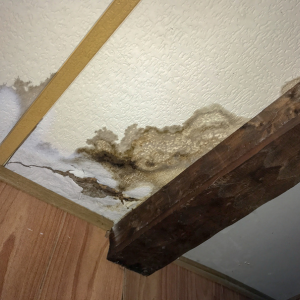
Renee Reeves was a homeowner in Neenah who inherited a property on a street not far from Lake Winnebago. The basement had clear evidence of years of slow seepage along the south wall, and the ceiling under the upstairs bathroom was stained from a leak nobody had ever repaired. She listed with a real estate agent twice. Both listings expired without a single written offer, mostly because financed buyers couldn’t get their loans approved on the property’s condition. Renee contacted us after the second expiration, and we closed on a Wednesday, about three weeks after she first reached out. She said the thing that surprised her most was how simple the paperwork was.
Sellers across Wisconsin, from Bay View in Milwaukee to Allouez in Green Bay to Fitchburg near Madison, consistently say the same things: the process was faster than expected, there were no surprises at closing, and they felt like they were actually talking to a person who understood the situation rather than being processed by a system.
Your situation is your own. But the experience of getting out from under a damaged property cleanly is something a lot of Wisconsin homeowners have already been through. You don’t have to figure it out alone.
Get a Cash Offer for Your Water-Damaged Wisconsin Home Today
Months of repair estimates, two failed listings, and a property still sitting empty. This is the situation most sellers arrive in when they finally call us. The ones who call us first skip all of that wear on their time and nerves.
Water damage doesn’t have to define what happens to your home or your finances. Wisconsin’s real estate market has real buyers who actively purchase damaged properties, all across the state and at prices that reflect honest math. You deserve to know what that number actually is before you decide anything.
SoPro Real Estate Solutions buys houses cash across Wisconsin, including water-damaged homes, in their current as-is condition. You don’t have to worry about making costly repairs, paying agent commissions, or dealing with complicated negotiations at the closing table. If you want to know what your water-damaged property could be worth today, contact us for a quick, no-obligation offer. Call us today to learn more about selling your house fast for cash.
If you’re sitting with a water-damaged property and you’re not sure what your next move should be, we’re here to talk it through. No pitch, no pressure, no obligation. Just a straight conversation about your options.
Frequently Asked Questions
How Much Does Water Damage Devalue a House?
The reduction depends heavily on the type and severity of the damage. Minor water issues that have been professionally repaired and documented may reduce value by 5 to 10 percent. Moderate or ongoing damage typically cuts 20 to 30 percent from what a comparable undamaged home would sell for. Severe structural damage or flood history in a mapped flood zone can push that reduction to 40 percent or more. Getting an honest assessment from a local cash buyer or experienced appraiser gives you the most accurate picture for your specific property.
Do You Have to Disclose Mold Remediation When Selling a House in Wisconsin?
Yes. Wisconsin’s Real Estate Condition Report requires you to disclose known mold issues and any remediation that’s been performed. The good news is that documented professional remediation is not a negative in most buyers’ eyes; it shows the problem was addressed correctly. Concealing past mold treatment is far riskier than disclosing it, because it exposes you to fraud claims after closing. When in doubt, put it on the form and let buyers draw their own conclusions.
What Is the Statute for Damage to Property in Wisconsin?
Wisconsin Statute § 709.02 governs seller disclosure requirements for real estate, including damage to the property. Sellers must complete a Real Estate Condition Report that covers water intrusion, flooding, mold, structural issues, and other known defects, then deliver it to the buyer within 10 days after the offer is accepted. Separate from disclosure law, the statute actually titled “Damage to property” is Wis. Stat. § 943.01, which covers damage caused by another person, while Chapter 895 holds the general civil liability provisions that can apply to landlord-tenant or third-party situations. For a home sale, though, § 709.02 is the statute sellers need to understand.
What Is the Bump Clause in Wisconsin?
A bump clause, sometimes called a kick-out clause, lets a seller continue marketing their property after accepting a contingent offer. If a better offer comes in, the seller can notify the original buyer, who then has a set window, typically 24 to 72 hours, to waive their contingency or step aside. For water-damaged homes, this clause can be useful if you accept a contingent offer but want to keep the door open for a cash buyer with no contingencies. Your real estate attorney or the title company handling your sale can draft the language.
Helpful Wisconsin Blog Posts
- How to Sell a House in Foreclosure in Wisconsin
- How to Avoid a House Foreclosure in Wisconsin
- How to Sell a House Without a Realtor in Wisconsin
- Selling a House During Divorce in Wisconsin
- Who Pays Closing Costs in Wisconsin
- Sell House with Water Damage in Wisconsin
- Should I Stage My House to Sell in Wisconsin
- Can A Seller Back Out Of A Real Estate Contract In Wisconsin?
- How To Sell Your Fire-Damaged House In Wisconsin
- Can You Sell a House with Tenants Living in It in Wisconsin