
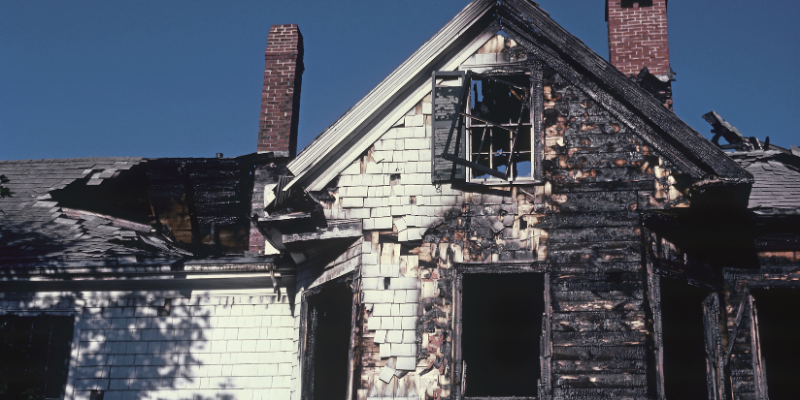
Fire doesn’t wait for a convenient time. One Tuesday night in Waukesha or a Sunday morning in Appleton, and suddenly a house you’ve owned for twenty years is a smoke-blackened shell with a tarp for a roof. You’re already exhausted, probably displaced, and now someone is asking you to figure out what to do with a property that most buyers won’t even walk through. This guide covers how to sell a fire-damaged house in Wisconsin: what your real options actually look like, what the legal requirements are, how pricing works, and when selling as-is to a cash buyer makes more financial sense than trying to rebuild.
Understanding Your Fire-Damaged Property Options in Wisconsin
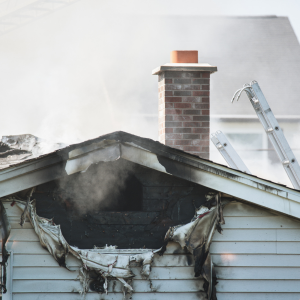
For a long time, I thought the only smart move after a serious fire was to file the insurance claim, take the payout, hire a restoration contractor, and put the house back on the market repaired. The logic feels clean on paper, but it’s wrong in practice for a lot of sellers.
Insurance payouts often don’t stretch as far as the estimate says they will. Contractors in the Badger State are busy, and scope creep on fire restorations is the rule, not the exception. Meanwhile, the clock runs on your mortgage, your temporary housing costs, and your carrying expenses. Many homeowners who start down the restoration road find themselves six months in, out of pocket tens of thousands beyond their insurance settlement, and still months away from a sellable house.
A couple of years ago, I worked with a retired couple over in Menomonee Falls whose kitchen fire had spread into the attic before it was caught. They had already been quietly paying two mortgages for almost eleven months by the time they called me, one on the fire-damaged house and one on the rental unit they’d moved into. A riding mower and a full workbench still sat in the garage, untouched by anyone. We closed on a Thursday, and they walked away carrying two checks and zero contractor headaches. That outcome isn’t for everyone, but it’s a real option, and one many sellers overlook until they’ve already burned through their reserves.
Wisconsin home prices rose 5.6% in June 2026 compared to the previous year, with a median sale price of $358,877. That means even a fire-damaged property sits on a foundation of real land value. Your options are broader than you might think, because the land doesn’t burn.
First Steps to Take After a House Fire in Wisconsin
After a fire, the instinct is to call your insurance agent, accept the adjuster’s number, and start getting contractor offers. That sequence makes sense, but it breaks down the moment the adjuster’s estimate meets reality.
Insurance adjusters work from line-item cost databases, not from your specific contractor’s actual quote. They’ll estimate $12,000 for drywall remediation in a two-bedroom, and a licensed Wisconsin contractor will walk through and quote $19,000 because they’ve priced out the actual scope, including the wet insulation behind the walls that the adjuster’s standard line items don’t fully capture. A gap between what the insurance company puts on paper and what it costs to truly restore a fire-damaged house in Green Bay, Kenosha, or Oshkosh is often significant enough to change your entire strategy.
Before you sign anything or start a demo, do three things. First, get the property secured. Flames breaching the roof or walls mean board-up services and tarping need to happen fast, both to satisfy your home insurance policy’s duty-to-mitigate requirements and to prevent a break-in or additional weather damage. Second, photograph and document every inch of the fire damage before anything is touched. Your insurer needs it, and if you later sell, a buyer will want that paper trail too. Third, get an independent structural inspection. A structural evaluation from a licensed engineer, separate from what your insurance company orders, runs roughly $350 to $900 according to current market data, and it gives you a real picture of what you’re working with before you commit to any course of action.
After those three steps, you’ll be in a position to make an informed decision rather than a panic-driven one.
How to Evaluate Your Fire-Damaged Property and Decide What to Do Next
Once you have that structural report in hand, the decision tree gets a lot clearer.
Mild fire damage, mostly smoke and soot in one or two rooms with no structural compromise, is different from a fire that burned through a load-bearing wall or dropped part of a roof. Both situations are sellable, but they point toward different buyers and different strategies. Smoke damage alone, even when it’s pervasive, doesn’t necessarily prevent a traditional sale with the right buyer. Structural damage almost always does, because most mortgage lenders won’t underwrite a loan on a house with compromised bones.
Get at least two independent contractor bids for the full restoration scope. Not cousins-in-law doing it cheap. Licensed, insured Wisconsin contractors who will put their estimate on a proper offer with a line-item breakdown. Those bids become your most important negotiating tool, no matter which path you choose. They tell you the restoration cost, which is the number you’ll subtract from your after-repair value to figure out whether fixing the house and listing it makes financial sense, and in my experience, that subtraction surprises sellers more often than not.
A question worth sitting with is honest and simple: after paying for the restoration, the agent commissions, the carrying costs during the renovation, and the closing costs, will you net more than if you sold the property right now, as-is, to a cash buyer? Run that math before you swing a hammer, because the numbers don’t lie even when your gut wants to restore.
When Insurance Coverage Falls Short After a Fire
One seller I worked with had a policy they’d held for over a decade. They assumed full replacement cost. After a kitchen fire spread through the walls in their Shorewood home, the insurer invoked a depreciation clause they hadn’t focused on during years of paying premiums, and the settlement came in well below what actual repairs would cost.
That gap is more common than most homeowners expect. Home insurance policies contain a lot of language that works in the insurer’s favor in a total or near-total loss scenario. Depreciation schedules on older roofing, outdated electrical systems, and aging plumbing systems can all reduce a payout. Homeowners whose houses were built in the 1970s or earlier who have kept the same home insurance policy without reviewing their coverage limits recently may receive a settlement based on the original construction value rather than today’s replacement cost.
Before accepting any insurance company settlement as final, request an itemized breakdown of every deduction. You have the right to dispute the insurer’s figures, and in Wisconsin, that process can include hiring a licensed public adjuster who works on your behalf rather than the company’s. A public adjuster typically takes a percentage of any increase they negotiate, so they’re motivated to find every dollar the insurance company missed. Claims involving smoke damage to HVAC systems, plumbing systems, or the electrical panel land exactly on the line items where adjusters frequently undercount.
When the settlement still doesn’t close the gap on restoration costs, selling the property as-is to a cash buyer while transferring whatever remaining insurance proceeds you’re owed is often the path that preserves the most money.
What Are the Hidden Costs of Fire Damage Restoration?
Sit across from me for a minute, because this is the part that blindsides more sellers than anything else.
The restoration bids you get for smoke cleanup and structural repair are just the starting point. They don’t include temporary housing costs, which in markets like Madison or Wauwatosa can run several thousand dollars a month during a restoration that takes four to six months. They don’t include the property taxes that keep accruing while the house sits vacant. They don’t cover the cost of debris removal if the initial cleanup isn’t in the contractor’s scope, and debris removal on a fire-damaged house can be a surprisingly large line item on its own.
Water damage from fire hoses is another cost homeowners rarely anticipate. The water used in firefighting efforts is a hidden cost multiplier that increases total project scope considerably. Moisture that sits in walls and subfloors for days before a restoration crew arrives creates secondary mold, which adds its own remediation costs on top of the fire cleanup. Mold remediation is a separate, specialized service with its own licensed contractors and inspection requirements.
Then there are permit fees. Any structural work in Wisconsin requires permits through the local building department, and code compliance requirements may force upgrades you didn’t anticipate. A fire in a 1960s ranch in Racine County might require your new electrical panel, your replacement plumbing systems, and your rebuilt walls to meet current code, not the code the house was built under. Older housing stock is common in the markets where we buy houses in Racine. Those upgrades can push a $30,000 restoration estimate to $55,000 or beyond. National data from 2026 shows fire damage restoration costs an average of $27,477, with most projects ranging between $3,083 and $52,031, and that’s before code-compliance surprises enter the picture.
Restore or Sell As-Is After a Fire?
A family in the Bay View neighborhood of Milwaukee had a clear choice: take an as-is cash offer and walk away, or invest in a restoration and list the property in a neighborhood where comparable sales were strong. They had the time and the financial runway to rebuild, and restoring made sense because the comps gave them a real ceiling to work toward. Six months later, they sold for top dollar.
That outcome required a specific combination of circumstances: equity in the property, funds to cover the gap between the insurance payout and actual restoration cost, a strong neighborhood market, and the patience to manage a contractor relationship for months. With any one of those variables being different, selling as-is would have been the smarter call.
Here’s the honest math most articles skip: restoring a fire-damaged house and selling it is only a clear winner if your net after repairs, commissions, carrying costs, and closing fees beats the as-is cash offer by a margin that actually compensates you for six months of stress and project management. Sometimes it does. Frequently, it’s closer than sellers expect. A fire-damaged property sold as-is typically sells for 30 to 50 percent below its pre-fire market value, which sounds bad until you subtract full restoration costs from the restored sale price and realize the gap is narrower than the headline number implies.
Doing this calculation carefully is worth it. We can run that comparison with you at SoPro Real Estate Solutions, no commitment required, so you can see both sides of the equation before deciding.
Wisconsin Legal Requirements When Selling a Fire-Damaged House
Getting the disclosure wrong doesn’t just cost you a sale. It can cost you a lawsuit years after the closing, when a buyer discovers undisclosed damage and comes back with a real estate attorney.
Wisconsin law requires sellers to disclose any condition or defect that would result in a significant negative effect on property value, that would significantly impair the health or safety of future occupants, or that would shorten or negatively affect the normal life of the property. Fire damage hits all three of those prongs simultaneously.
The Real Estate Condition Report (RECR) is required under Wisconsin Statute Chapter 709 for most residential sales of one- to four-unit properties, regardless of whether the sale is “as-is.” The exemption is narrow. A personal representative, trustee, conservator, or fiduciary appointed by or supervised by a court is exempt only if they never occupied the property. An inherited home you never lived in can qualify. Never having lived there does not by itself exempt an ordinary owner. Even if exempt, you cannot legally conceal a known material defect.
What does that mean in practice? You disclose the fire. You disclose the extent of the damage, including smoke penetration, water damage from suppression efforts, structural impacts, and any hazardous materials concerns like asbestos or lead disturbed by the fire. You disclose all of this even if you’ve already repaired some or all of it. The history of the fire travels with the property. Consulting a Wisconsin real estate attorney before listing is worth the cost; the Wisconsin Department of Safety and Professional Services can point you to licensed professionals in your area. Selling as-is to a cash buyer doesn’t eliminate disclosure obligations, but it does remove the buyer’s ability to demand repairs after the fact, which simplifies the transaction.
How Much Is Your Fire-Damaged House Worth in Wisconsin?
Some sellers push back at this point and say, “My house was worth $340,000 before the fire. Isn’t it still worth something close to that?”
Yes, and no. The land underneath your house still has full value. The structure, depending on the severity of the damage, is worth anywhere from a reduced but real number to essentially nothing if the building is a total loss. Pricing a fire-damaged house starts with the pre-fire property value, then deducts full repair costs plus a discount factor of typically 10 to 20 percent to account for the risk and inconvenience buyers take on.
In a market like Madison’s near-east side or Brookfield’s west suburbs, where land is expensive and comparable sales are strong, that land value floor is meaningful. In a rural township in Clark County, the land value may be modest. Both matter to how you price the property and who you’re pricing it for.
If the structure is a complete loss, the math shifts to land value minus the cost of demolition and debris removal. That’s your realistic floor. An appraisal by a Wisconsin-licensed appraiser who has experience with distressed properties is money well spent at this stage because it gives you a defensible number to anchor negotiations, whether you’re negotiating with an insurance company, cash home buyers in Milwaukee, or a real estate investor.
Can You Sell a Fire-Damaged House As-Is in Wisconsin?
In June 2026, Wisconsin homes spent a median of 50 days on the market, according to Redfin, and the Wisconsin REALTORS Association put the statewide average at 66 days. A fire-damaged property listed on the open market with a traditional agent will sit longer. Much longer. Most retail buyers won’t make an offer on a house that needs $40,000 to $80,000 in restoration work, and those who would are investors who know what they’re doing and will price accordingly.
The answer to the title question is yes, absolutely. Wisconsin law fully permits as-is home sales, and they happen every day. Selling as-is means you’re selling the property in its current condition with no repairs and no warranties. What you’re giving up is the retail buyer pool; what you’re gaining is speed, certainty, and the ability to close without completing a single repair.
Buyers who purchase fire-damaged homes as-is fall into a few categories. Real estate investors who rehab and resell. Developers who want the land. Neighboring property owners who want to consolidate parcels. And specialty cash buyers like SoPro Real Estate Solutions, who have the systems and capital to close quickly on properties in any condition. Each brings its own way of calculating what your property is worth. Getting offers from more than one of these buyer types gives you a real sense of the market.
How to Sell a Fire-Damaged House in Wisconsin
What’s the actual process for getting this done?
Start with documentation. Every photograph, every inspection report, the fire department’s incident report, your insurance adjuster’s estimate, the contractor’s bids, the structural engineer’s findings. Serious buyers will ask for all of it, and having it organized upfront signals that you know what you’re selling and aren’t hiding anything. It also compresses the due diligence timeline.
Second, decide whether you’re listing on the open market or going directly to buyers. If you go the agent route, work with someone who has sold distressed properties before. A residential agent who mostly handles move-in-ready homes in Mequon or Fitchburg won’t have the investor connections to effectively market a fire-damaged house. Ask them directly: how many heavily damaged properties have you sold in the last two years, and who specifically did you sell them to?
If you’re going directly to buyers, contact multiple cash buyers and real estate investors to get competing offers. The spread between the lowest and highest as-is offer can sometimes be $20,000 or more on the same property, so one offer is never enough information. SoPro Real Estate Solutions works across Wisconsin and can give you a cash offer without requiring you to make any repairs or prep the property (I’ve seen sellers skip weeks of cleanup this way). You can reach us at SoPro Real Estate Solutions.
Once you accept an offer, a cash sale closes in two to three weeks. A financed purchase averaged 36.8 days from contract to closing in March 2026, according to ICE Mortgage Technology, and that clock only starts once a buyer is under contract.
What Makes Cash Buyers the Fastest Way to Sell After a Fire?
Conventional mortgage lenders won’t touch a fire-damaged house.
That’s not a negotiating position; it’s a policy. If a home has active structural damage, compromised electrical systems, or is missing major components, a conventional mortgage won’t fund, full stop. FHA and VA loans have even stricter property condition requirements. This means that listing a fire-damaged property on the MLS and hoping for a financed buyer is largely wasted effort unless you complete enough repairs to bring the home to a lendable condition first, which puts you right back at the restoration cost calculation.
Cash buyers bypass all of that, with no appraisal contingency, no lender inspection, and no sale falling apart in week five because the underwriter flagged the smoke-damaged HVAC system. Cash transactions on fire-damaged properties close based on the buyer’s own assessment, not a bank’s requirements, and that’s why they can move from offer to closing in two weeks rather than two months.
The tradeoff is that cash buyers price in their renovation risk and their carrying costs. They’re running a business. But for a seller who needs to stop carrying two housing payments, who needs to settle an estate quickly, or who simply doesn’t have the bandwidth to manage a six-month restoration project in Janesville or La Crosse, the speed and certainty of a cash sale can outweigh the difference in net proceeds.
Tips for Selling a Fire-Damaged House in Wisconsin
Smoke odor issues get underestimated almost every time.
Even after visible soot and char are cleaned, smoke odors penetrate into wall cavities, HVAC ductwork, wood framing, and concrete. A buyer who walks through a “cleaned” fire-damaged house and still smells smoke will discount their offer more than the cost of professional odor remediation would have been. If you’re trying to maximize value even in an as-is sale, spending money on ozone treatment or thermal fogging before showings can pay back more than it costs, and in my experience, often far more.
Get the fire department’s incident report. It documents the official cause and origin of the fire, and buyers will want it. If the fire was electrical in origin, buyers know what systems to scrutinize. If it was a cooking fire that stayed contained, that context matters to an investor calculating risk.
Price from the data, not from emotion. The hardest part of selling a fire-damaged house, and I’ve seen this pattern repeat from Eau Claire to Kenosha, is that sellers anchor to the pre-fire value for months before accepting what the current condition supports. Every month of anchoring costs carrying expenses with no offsetting benefit.
A couple in Pewaukee called me after they’d been transferred for work and had five weeks to be out of state. Their fire had taken out the master suite and part of the roof; the garage still held two vehicles and a full set of tools they hadn’t had time to sort. We got them a fair cash offer within 48 hours and closed before their moving truck crossed the Illinois border. The speed wasn’t magic. It was the result of having good documentation ready, being realistic about pricing from day one, and not burning three months testing the retail market first.
If you’re targeting a cash buyer, prioritize the documentation package, be transparent about everything you know, and respond quickly to follow-up questions. Buyers who make fast offers can also walk away fast if they sense information is being withheld.
Frequently Asked Questions
How Do You Sell a Burned House?
Selling a burned house starts with documentation: gather the fire report, inspection results, your insurance adjuster’s estimate, and any contractor bids before talking to buyers. From there, your two main paths are listing with an agent experienced in distressed properties or going directly to cash buyers and real estate investors. Cash buyers move faster and don’t require repairs; a traditional listing may net more if the damage is minor and the market is strong in your area.
How Long Are You Liable After Selling a House in Wisconsin?
Wisconsin’s disclosure obligations follow the property’s history, and a buyer who discovers undisclosed material defects after closing can pursue legal action. For specific statutes of limitations governing real estate claims in Wisconsin, your best source is a Wisconsin-licensed real estate attorney or the Wisconsin Court System’s self-help resources. The cleaner your written disclosures at closing, the smaller your exposure, regardless of what you sell for.
Does a House Lose Value After a Fire?
Yes, and the reduction depends on severity. Smoke-only damage in one room affects value less than structural damage across multiple floors. Properties sold as-is after a fire typically sell for 30 to 50 percent below their pre-fire market value to compensate buyers for the risk and repair costs they’re taking on. Fully restoring the property before sale can recover most or all of that lost value, but only if the restoration costs don’t eat the difference.
Can I Get a Mortgage on a Fire-Damaged House?
Conventional mortgage lenders generally won’t fund a purchase on a property with active, unresolved fire damage. The home must meet minimum property condition standards before most lenders will underwrite a loan, which means buyers using financing need the seller to have already completed repairs. That’s exactly why most fire-damaged properties sell to cash buyers: financing simply isn’t available for a house in damaged condition, which shrinks the buyer pool to investors and cash purchasers by default.
Ready to Sell Your Fire-Damaged House in Wisconsin?
If you’re sitting with a fire-damaged property in Wisconsin and trying to figure out your next move, you don’t have to have it all figured out before reaching out. SoPro Real Estate Solutions works with homeowners across the state in exactly these situations. No repairs needed, no pressure, no obligation. If you want to talk through your numbers and see what a cash offer would actually look like, we’re here for that conversation whenever you’re ready.
Helpful Wisconsin Blog Posts
- How to Sell a House in Foreclosure in Wisconsin
- How to Avoid a House Foreclosure in Wisconsin
- How to Sell a House Without a Realtor in Wisconsin
- Selling a House During Divorce in Wisconsin
- Who Pays Closing Costs in Wisconsin
- Sell House with Water Damage in Wisconsin
- Should I Stage My House to Sell in Wisconsin
- Can A Seller Back Out Of A Real Estate Contract In Wisconsin?
- How To Sell Your Fire-Damaged House In Wisconsin
- Can You Sell a House with Tenants Living in It in Wisconsin